
Dark Tech
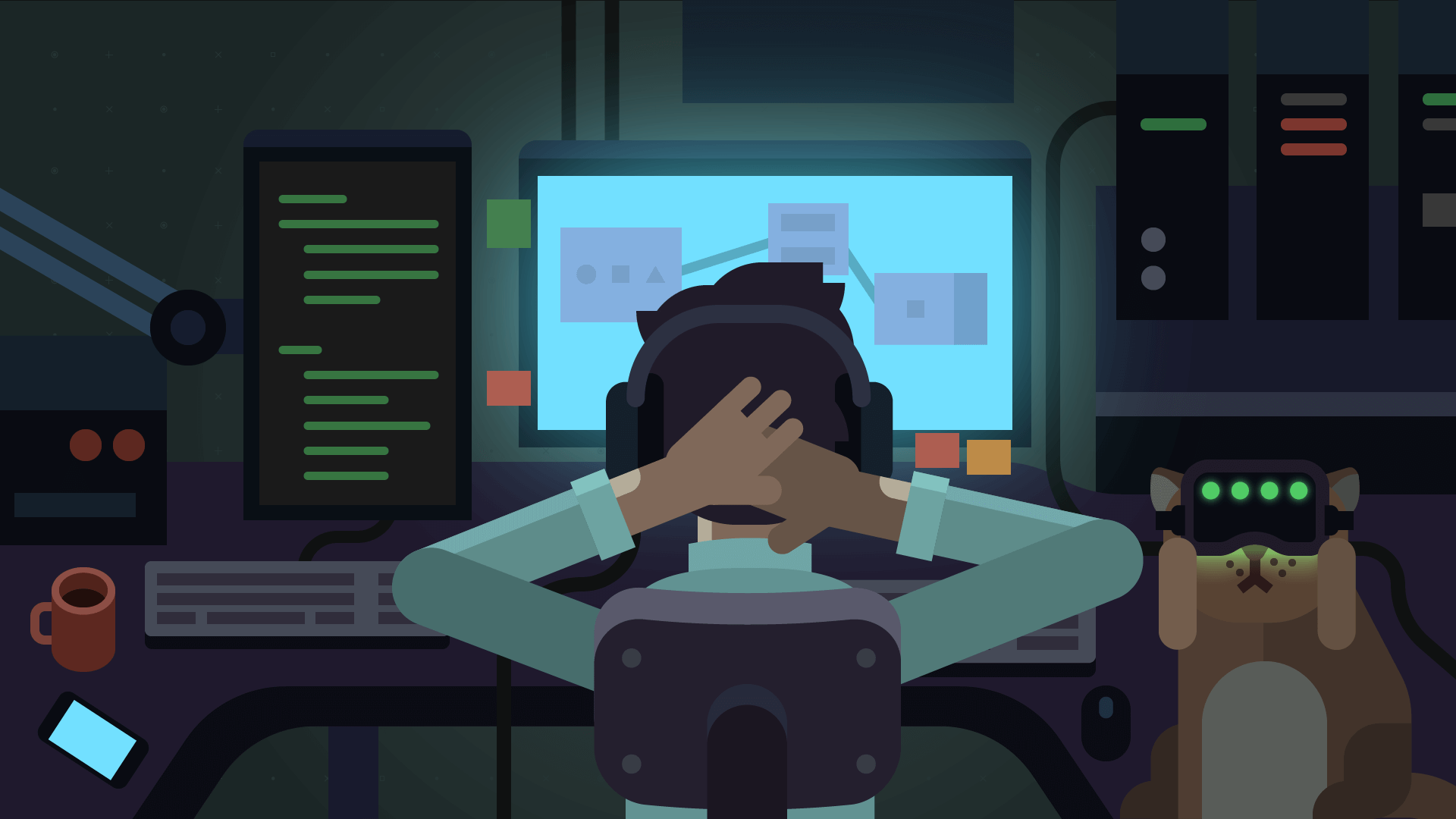
The first semester of my third schoolyear I learned about dark tech. This was greatly focused on the ethical grey areas of the internet, like scroll traps, data tracking and much more. Additionally there was a great focus on artificial intelligence since this fitted perfectly within the scope of the teachings and because this is currently a major technology that is broadly used and developed.
My learning experience
In this project I worked as a creative technologist. My role within the team was primarily design focused. I came up with and worked out a lot of the prototypes we made during this project. I still fulfilled a lot of other tasks, like ui design and realisation, performing tests, researching, etc., but I wanted to improve on my design skills and therefore tried to take on most design related tasks.
In terms of designing prototypes I got a lot of practice in the process of quick prototyping. I’ve started learning about design research to further improve my design skills and experienced first hand the importance of good designs to get to a succesful prototype and to gather useful feedback. I’ve created moodboards, lot’s of designs which I could then share with my teammates to pick the best one and done a bunch of research on research through design.
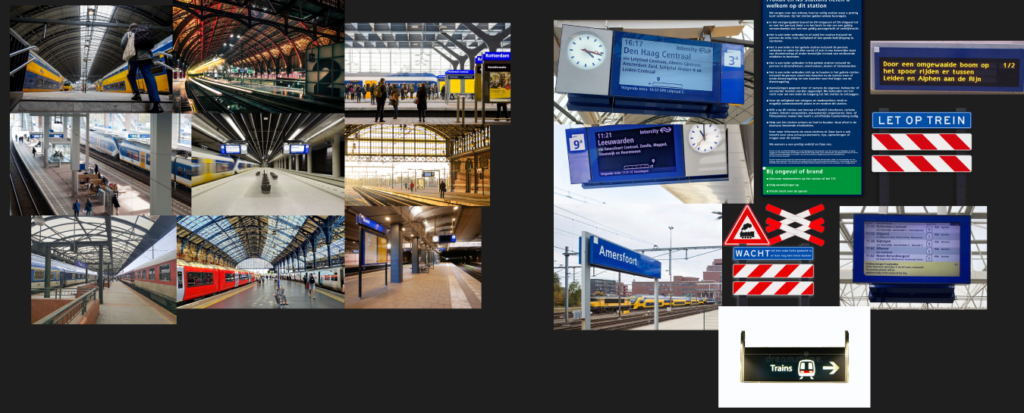
Moodboards used for the design of a main menu
Furthermore this was my first time working with an external product owner, which has been a great learning experience for me. I practiced a lot of professional skills in terms of presenting out prototypes, clear communication and holding up deadlines. I also learned how to prepare for a meeting and how to get worth out of a meeting with a product owner by setting up clear goals for the meeting, taking notes and making sure all your questions have clear answers.
Lastly I learned a lot about how artificial intelligence works and how it can be used for quick prototyping. Although I still prefer to avoid artificial intellegence where I can, I am now capable of applying AI where necessary to improve the workflow and get better results.
Our prototypes
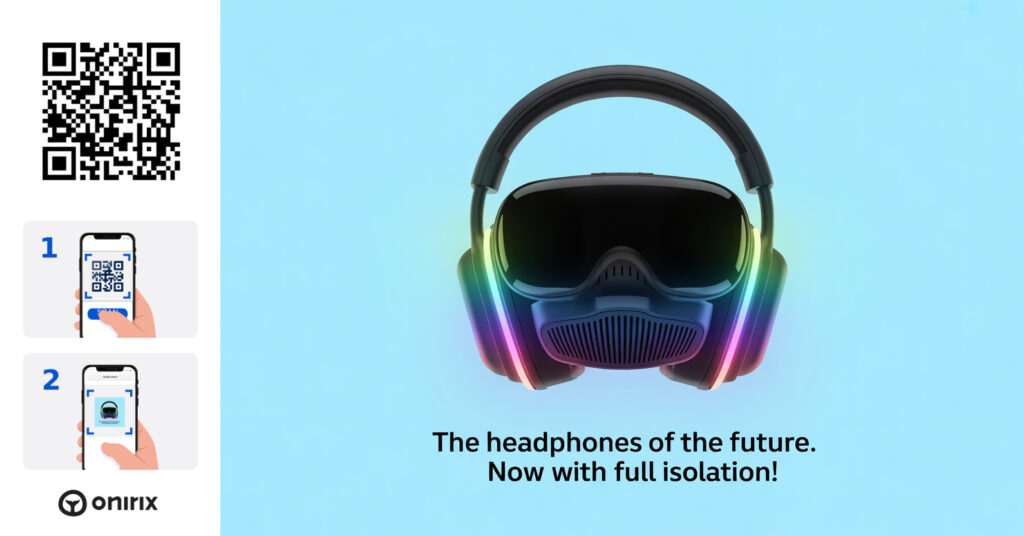
My team and I looked at the issue of social isolation in public. People nowadays use headphones and earphones often in public avoiding social interaction and creating dangerous situations because of their lack of perception. We’ve looked at how to create awareness and how to potentially solve or reduce this issue.
Qr-bear
One of the ideas we came up with is the qr-bear. The concept is to have a teddybear with a qr-code on it, which people will pass on to one another to invoke social interaction. Scanning the qr-code will send you to a website that explains the concept and gives the holder a challenge, for example: “ask a stranger how their day is going”. With this prototype we wanted to raise awareness of how isolated people are nowadays and to force them to step out of their comfort zones to interact with people.
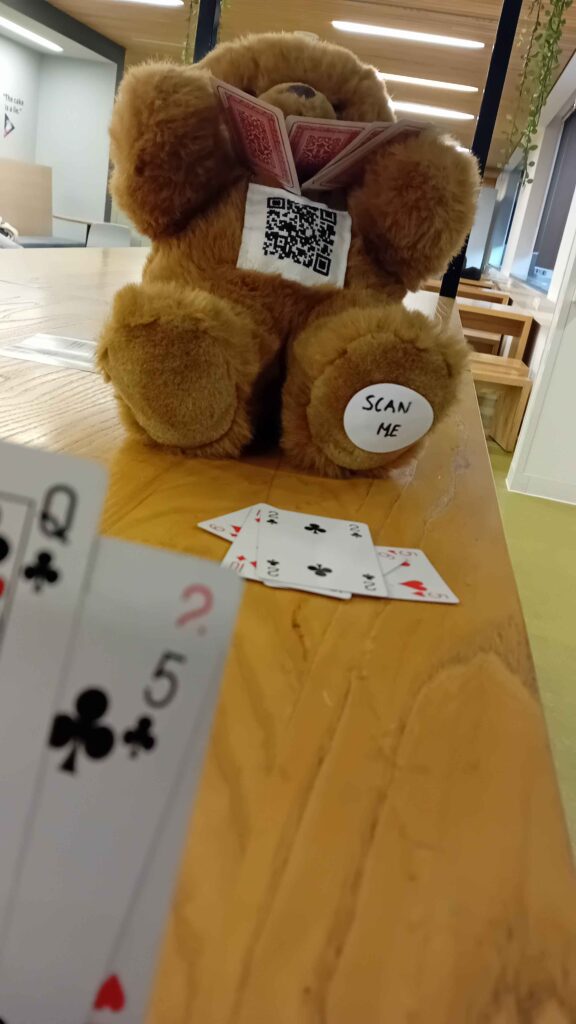
When we tested this prototype in a closed environment it was more succesful than expected, the qr-code was scanned about 70 times over 2 days with a limited number of people. Although some people would not leave the bear somewhere for other to find, most people would pass it on and talk to new people they didn’t know.
conversation wagon
Another succesful idea we had was the talk wagon. Since travelling by train is a common environment to see people trying to seclude themselves from society by wearing headphones, we wanted to come up with a solution to make it easier to socialize with other travellers. In the netherlands we have our silent wagons where you’re supposed to be quiet so people can work/read/rest. The goal of our prototype is to create a space where people should not be scared to talk to others since everyone is aware of, and makes the choice to sit in this more socially designed wagon. To help stimulate social interaction some simple games or get to know question cards would be added to create a fun experience and take away from the awkwardness of having to think of questions to ask each other.
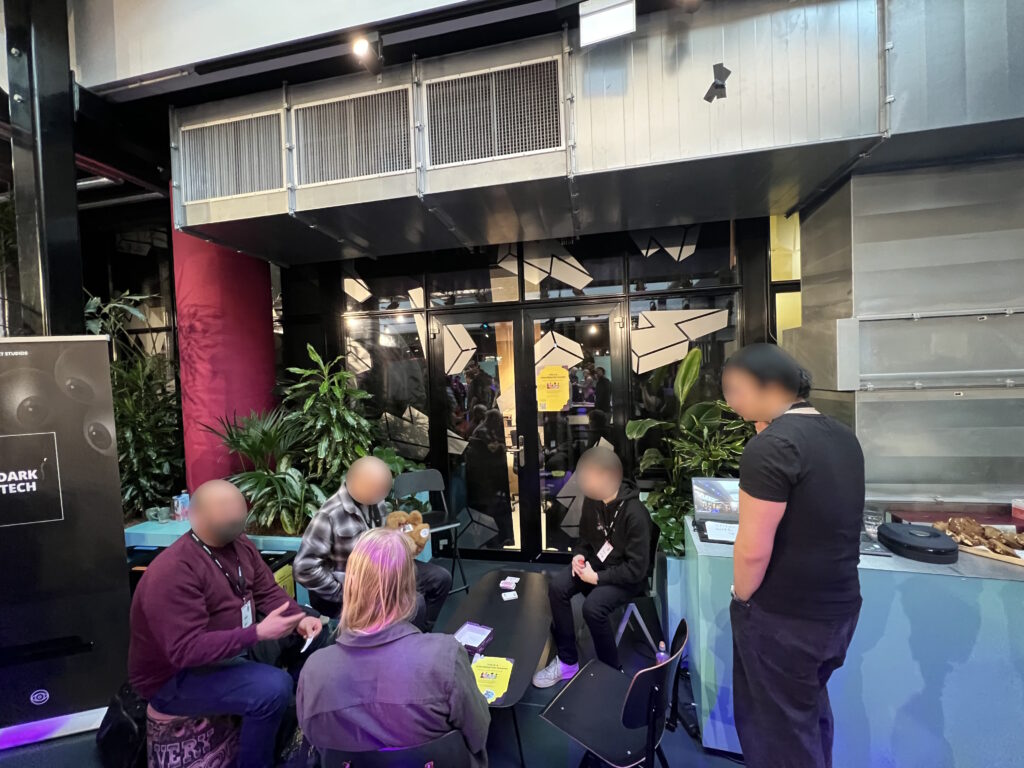
Sadly we were not able to test this prototype in a real environment, however we were able to test a recreated experience at an event we attended. We created a small environment where people could take a seat and meet some of the other attendents knowing that they made the same choice to join in on our experiment meaning they were willing to have conversations with others. This resulted in a lot of people meeting each other and although not everyone was looking forward to having this implemented in trains the general concensus seemed to be that people were interested if it was implemented well.
Risk awareness game
Finally as part of the task we got we had to go more to the dark side by amplifying the problem to raise awareness. Since we had little time left and because our target audience was mainly youth of around ages 16-25, we decided to go back to what most of us had a lot of experience with and what we thought would attract the target audience, a video game. Although, due to feedback from our product owner, a lack of development time and our target distribution, the prototype is more so a digital experience rather than a video game. Our main goal for this concept was to stimulate behavioural change. We designed the prototype to be presented on a screen in a metro or train station with two buttons which would allow the participants to make choices on the screen. The prototype itself was focused on giving the participants a choice whether or not to wear headphones, which in turn would lead to either you or someone else falling on the tracks due to a lack of social awareness.
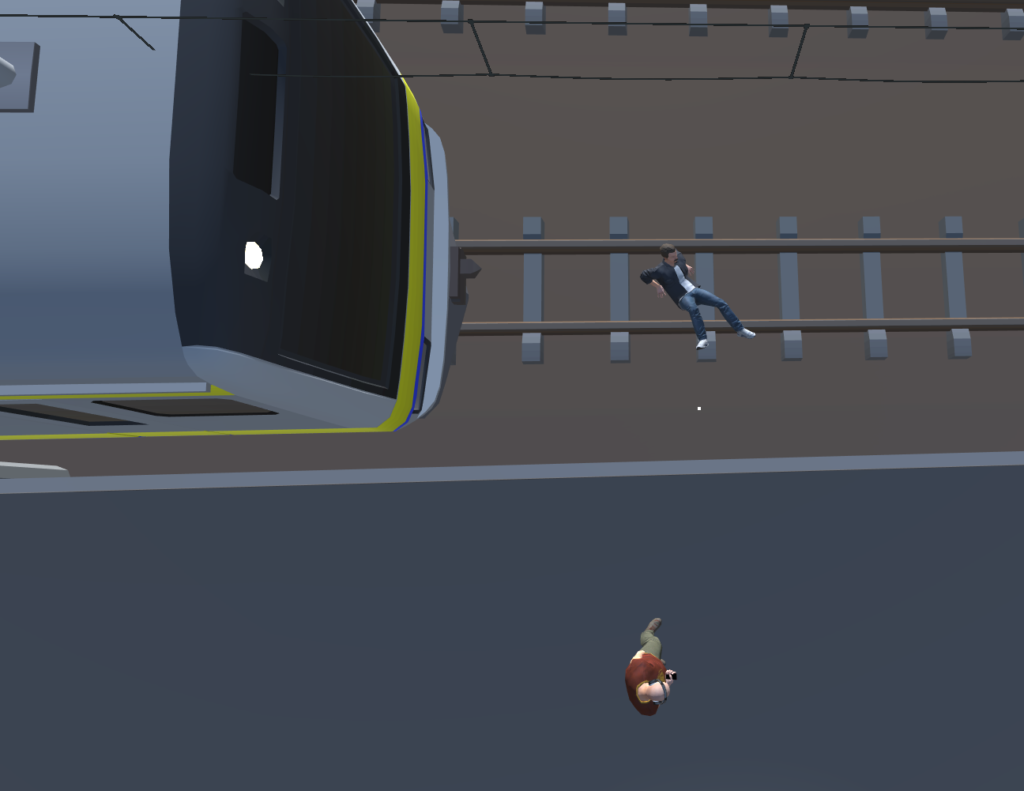
We have not yet been able to fully test this experience and the effects this will have on the participants. However other teams will continue with our gathered research and concepts. This project was not meant to be “complete” by the end of our semester, but is meant to be continued for a longer period of time.